Skip to content
KITAUTHORITY
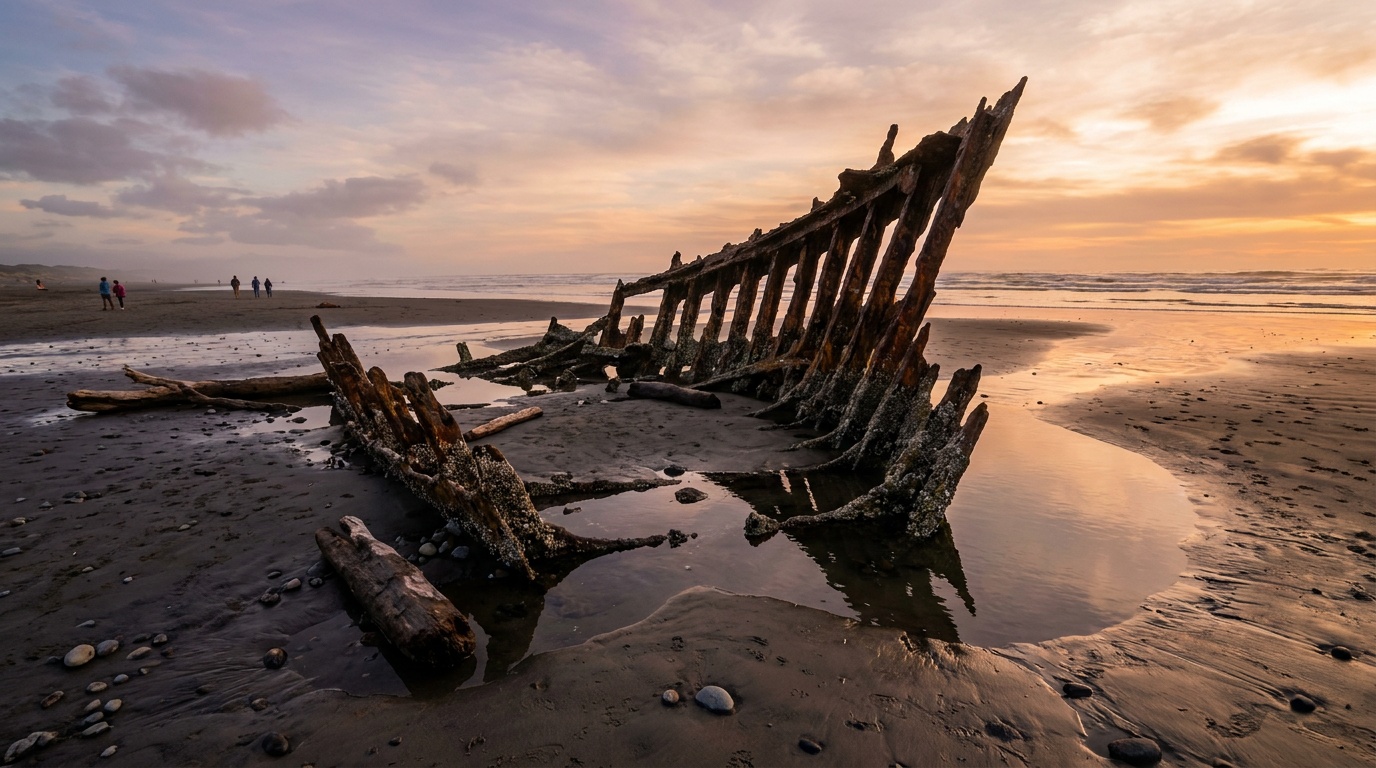
The rusted iron ribs of the Peter Iredale shipwreck half-buried in wet sand on a wide Oregon Coast beach at golden-hour sunset, low tide reflecting the sky, dramatic and atmospheric

State Park · Oregon

Fort Stevens State Park

A huge Oregon Coast park where the Columbia River meets the Pacific: the Peter Iredale shipwreck, historic military batteries, a freshwater lake, paved bike paths, and one of the largest campgrounds in the state.

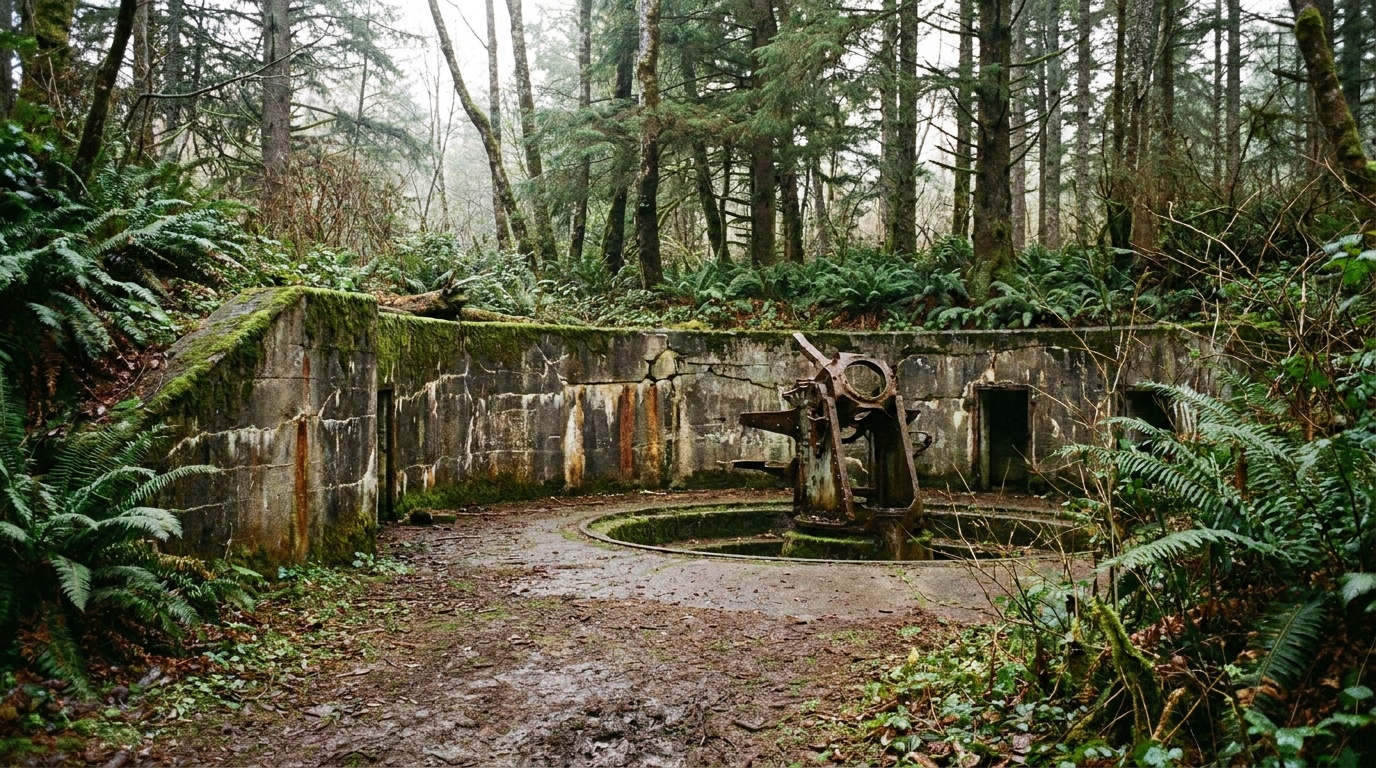
A moss-covered concrete World War II coastal artillery battery emplacement in the forested historic military area of Fort Stevens, soft overcast light, weathered gun mount

Field briefing

Fort Stevens State Park changes fast with season and elevation.

Before you go

Fort Stevens is one of the biggest, most varied parks on the Oregon Coast, so the planning problem is not what to see but how to sequence it.

Solve a campsite first for summer weekends, then build the day around the shipwreck at low tide, the military history, and the lake or paved bike paths.

Best window
June to September for beach weather, camping, and longer daylight
Signature routes
Wreck of the Peter Iredale, Historic military area and Battery Russell
Pack focus
Water, weather checks, layers

The landmarks worth the trip. Tap any photo to enlarge.

Location
Oregon
Best time
June to September for beach weather, camping, and longer daylight
Entrance
Oregon state park day-use parking is free; camping and yurt fees apply

When to go

Weather, crowds, and what the season changes about the trip.

Spring

Moderate crowds

Cool, green, and showery, with improving beach and trail weather.

Pack Rain shell, warm layers, and footwear for sand and mud.

Summer

Peak crowds

The warmest, driest window, with busy weekends and high campground demand.

Pack Camp reservation, wind layer for the beach, and sun protection.

Fall

Moderate crowds

Cooler, quieter, and often clear between storms, good for the shipwreck and batteries.

Pack Rain protection, warm layer, and a headlamp for shorter days.

Winter

Low crowds

Wet, windy, and dramatic, with big surf and quiet trails.

Pack Full rain kit, insulation, and storm-aware beach timing.

Top things to do

  • Wreck of the Peter Iredale

    The park's signature sight: the rusted ribs of a 1906 shipwreck sitting right on the beach, an easy walk from the parking area and best at low tide near sunset.

  • Historic military area and Battery Russell

    Concrete gun emplacements and a museum tell the story of the only mainland U.S. military site fired on by a foreign power since the War of 1812, when a Japanese submarine shelled the fort in 1942.

  • Coffenbury Lake loop

    A flat freshwater loop near the campground, good for an easy walk, a swim, or a paddle when the coast is too windy.

How long to spend

Anchor the day around Wreck of the Peter Iredale

Keep one flexible slot in the day, because weather, parking, and energy usually decide more than the map does. For one day in Fort Stevens State Park, make Wreck of the Peter Iredale the non-negotiable, add Historic military area and Battery Russell only if the first stop runs clean, and keep Coffenbury Lake loop as the flexible finish.

  1. 1Start with Wreck of the Peter Iredale: The park's signature sight: the rusted ribs of a 1906 shipwreck sitting right on the beach, an easy walk from the parking area and best at low tide near sunset.
  2. 2Add Historic military area and Battery Russell: Concrete gun emplacements and a museum tell the story of the only mainland U.S. military site fired on by a foreign power since the War of 1812, when a Japanese.
  3. 3Use Coffenbury Lake loop as the optional finish, not as a reason to rush the whole day.

Plan your trip

Turn Fort Stevens's conditions into water, pack, and sleep-system decisions.

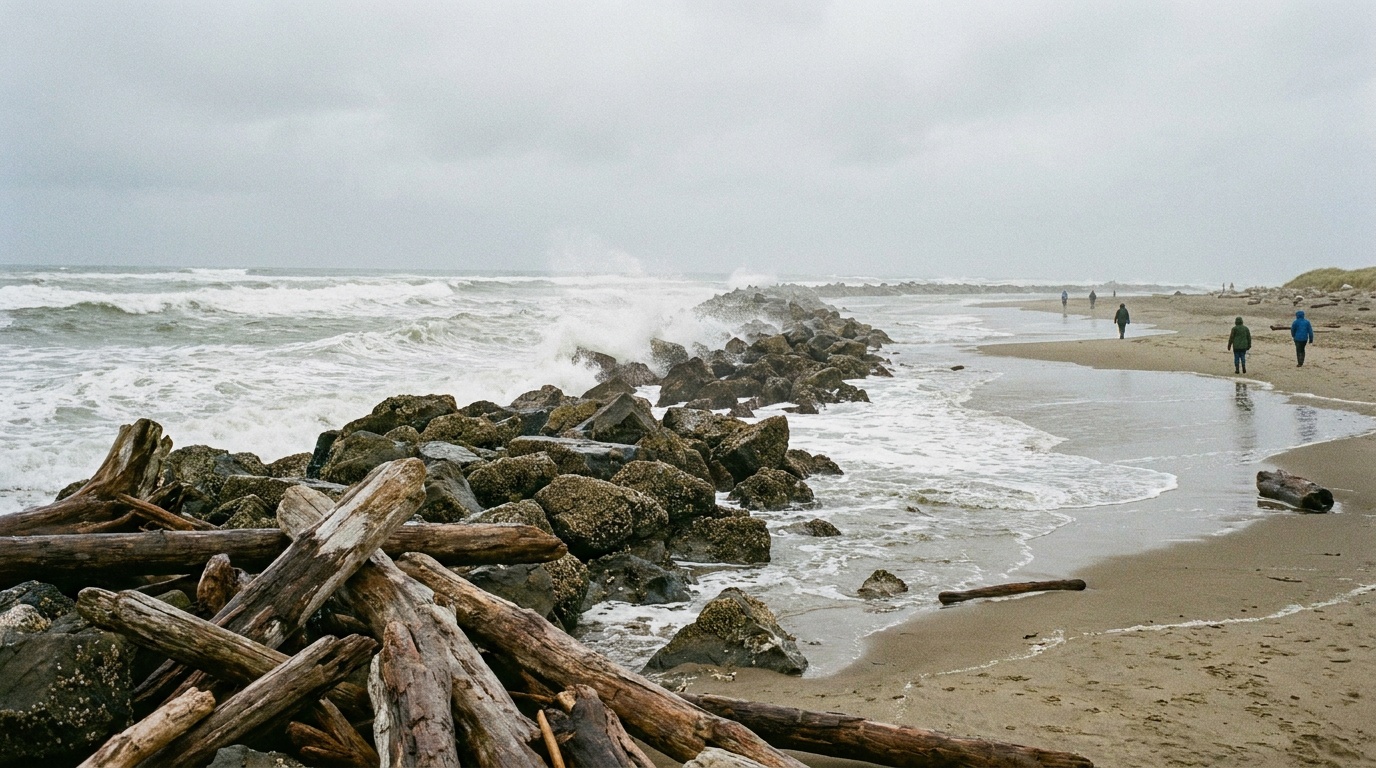
Big surf and driftwood along the South Jetty where the Columbia River meets the Pacific Ocean, wind-blown spray, moody coastal sky

Build around conditions

Let season, elevation, and weather set the plan.

Plan your trip

4 quick tools, already seeded for Fort Stevens State Park. Tune the numbers around temperature swings, footing, layers, and how much margin the route needs.

  1. 01Size your water for a mild day on the trail
  2. 02Find the right daypack size for a day out
  3. 03Check you will sleep warm down to about 30F
  4. 04Estimate the stove fuel to pack for the trip

What to pack

Start with the gear decisions this park changes: footing, weather, camping, and water.

Pack planning

Decide what Fort Stevens State Park asks of your kit before you start checking boxes.

Use this as a constraint check while you are still shaping the trip. The active checklist becomes useful once your route, dates, and sleep plan are set.

  • First constraintHydration and exposureWater, hat, sunscreen, sunglasses, Navigationmap, downloaded GPS, or a GPS watch, 3 more
  • Route realityFooting and tractionHiking boots, Hiking socks, Trekking poles
  • Load choicePack and carry systemDaypack
  • If overnightSleep and shelterTent, Sleeping bag, Sleeping pad

Checklist mode

22 items, grouped for the trip you are actually taking.

  1. Dates and season are set.
  2. Primary route, campground, or lodge is chosen.
  3. Water, footwear, and overnight needs are sized.

Gear for Fort Stevens

The buying guides that match what Fort Stevens asks of your kit, with our current top picks across budget and use case.

Where to stay

Camp in the park if you can, because it puts the shipwreck, lake, and batteries minutes from your site and saves you the summer parking shuffle. Warrenton and Astoria are the practical hotel bases when the campground is full, with Astoria adding restaurants, the Columbia River Maritime Museum, and easy day trips.

Camping reservations

Camping reservations

Reserve Fort Stevens early, because the campground is one of Oregon's largest and busiest.

Fort Stevens runs a very large campground with full-hookup, tent, and yurt sites, and summer coast weekends fill far ahead, so camping should be the first locked decision.

Reviewed June 11, 2026

Booking window

Oregon State Parks accepts new camping reservations from the day of arrival through six months in advance at most reservable campgrounds.

  • Full-hookup, tent, and yurt sites are all reservable through the Oregon system.
  • Summer weekends and holidays should be treated as high-demand booking windows.
  • A $10 dump-station fee applies starting in 2026, and peak-season overnight rates moved to the top of the range.

Where to book or verify

Reserve Fort Stevens camping

Official Oregon State Parks campground details and reservation links.

Fort Stevens official page

Park profile with facilities, fees, history, and current notices.

Search Recreation.gov

Check for federal campground, backcountry, tour, and permit inventory tied to this park.

Campgrounds to know

Fort Stevens main campground

Details
Booking
Day of arrival through six months ahead in Oregon's reservation system.
Sites
Full-hookup RV sites, tent sites, and yurts.
Best first check for nearly every trip; full-hookup and yurt sites go first on summer weekends.

Getting there and practical info

The rusted iron ribs of the Peter Iredale shipwreck half-buried in wet sand on a wide Oregon Coast beach at golden-hour sunset, low tide reflecting the sky, dramatic and atmospheric

Plan the handoff from arrival to shuttle.

Parking, pedestrian entrances, and shuttle timing decide how calmly the first morning starts.

Getting there

Get to Fort Stevens State Park, then remove the first-morning friction.

Access rhythm
Plan the last mile
Region
Oregon
  1. Arrival note

    Fort Stevens sits at the far northwest tip of Oregon near Warrenton and Hammond, just west of Astoria and about two hours from Portland.

  2. Car strategy

    A car is the practical way to reach it and to move between the shipwreck, the military area, Coffenbury Lake, and the South Jetty.

Pair this with lodging: sleep where the park transfer is simple, especially if your route needs an early start.

Frequently asked questions

Do you need a reservation to camp at Fort Stevens State Park?

Reservations are strongly recommended, especially for summer weekends and yurts. Oregon State Parks accepts bookings from the day of arrival through six months in advance, and this large coastal campground fills early.

How close is the Peter Iredale shipwreck to parking?

Very close. The wreck sits right on the beach about 0.2 miles from the parking area, making it an easy walk for almost anyone. Low tide near sunset gives the best views.

Is there a day-use parking fee at Fort Stevens?

Day-use parking at Fort Stevens is free, unlike some Oregon coast parks that charge. Camping, yurts, and certain facilities still carry fees.

Keep planning