National Park Service · Nebraska
Homestead National Historical Park
The Nebraska site of one of the first claims filed under the 1862 Homestead Act, with restored tallgrass prairie, a one-room schoolhouse, and a heritage center telling the story of free land that reshaped the West.
Field briefing
Homestead National Historical Park changes fast with season and elevation.
Before you go
Homestead National Historical Park sits on the land Daniel Freeman claimed in one of the first filings under the 1862 Homestead Act, the law that opened more than 270 million acres to settlement.
The park is free and walkable: start in the Heritage Center for the full story of who homesteaded and at what cost, then walk roughly 2.5 miles of trail through one of the oldest restored tallgrass prairies in the park system, passing the 1867 Palmer-Epard Cabin. The restored 1872 Freeman School, a short drive away, completes the picture of prairie life.
- Best window
- May to October, when the tallgrass prairie is green and the trails are at their best
- Signature routes
- Homestead Heritage Center, Tallgrass prairie trails
- Pack focus
- Water, weather checks, layers
Homestead in photos
The landmarks worth the trip. Tap any photo to enlarge.
When to go
Weather, crowds, and what the season changes about the trip.
Spring
Variable and breezy, highs in the 50s to 70s, with the prairie greening and birds returning.
Pack A wind layer and shoes for damp prairie trails after spring rain.
Summer
Warm to hot and humid, highs in the 80s and 90s, with tallgrass at full height and prairie wildflowers.
Pack Sun protection, water, and insect repellent for the open prairie paths.
Fall
Crisp and clear, the prairie turning gold and russet, ideal walking weather.
Pack Light layers for cool mornings and a camera for the autumn grass colors.
Winter
Cold and windy, highs in the 20s and 30s, with snow possible and the prairie dormant. The heritage center stays open.
Pack Full cold-weather gear and traction if you walk the exposed prairie trails.
Top things to do
Homestead Heritage Center
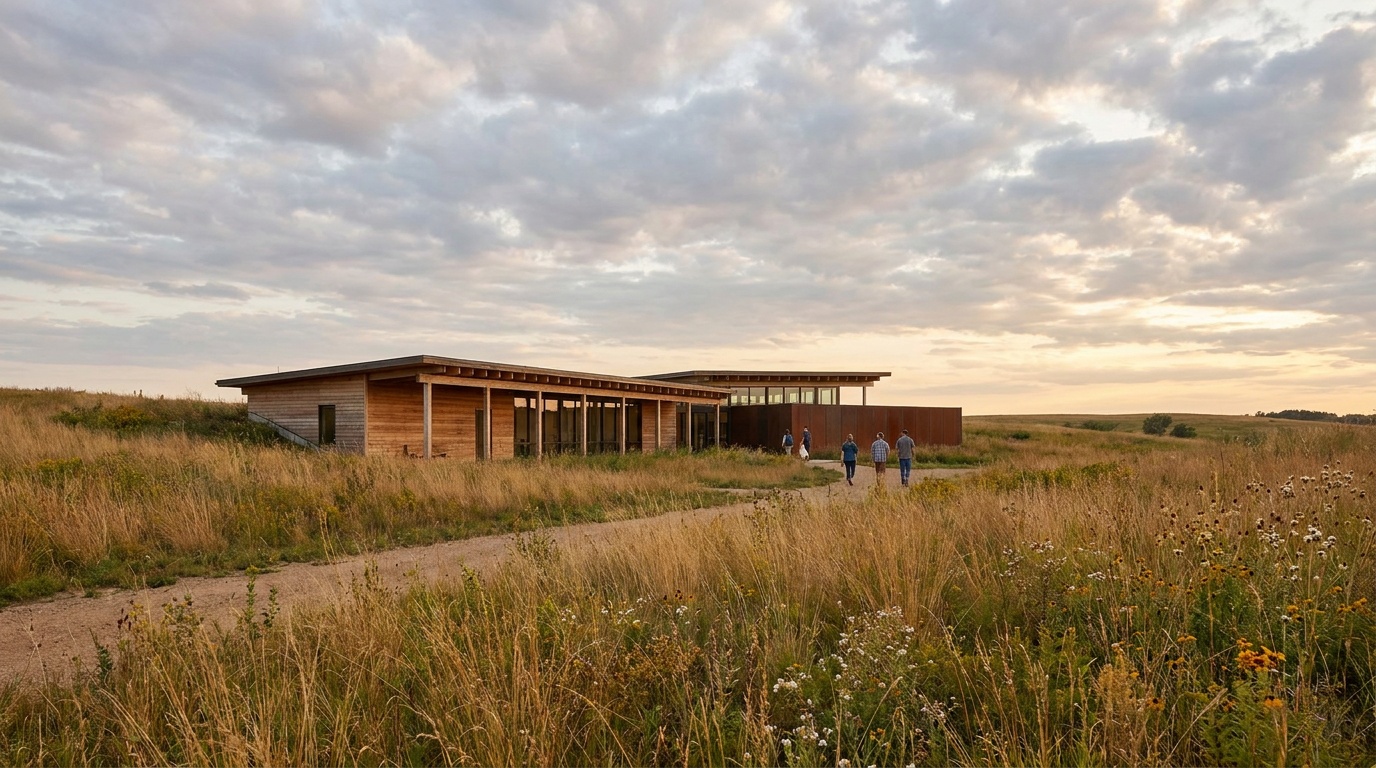
A modern museum on the original Daniel Freeman claim, telling the sweeping story of the Homestead Act and the millions of acres and lives it touched.
Tallgrass prairie trails
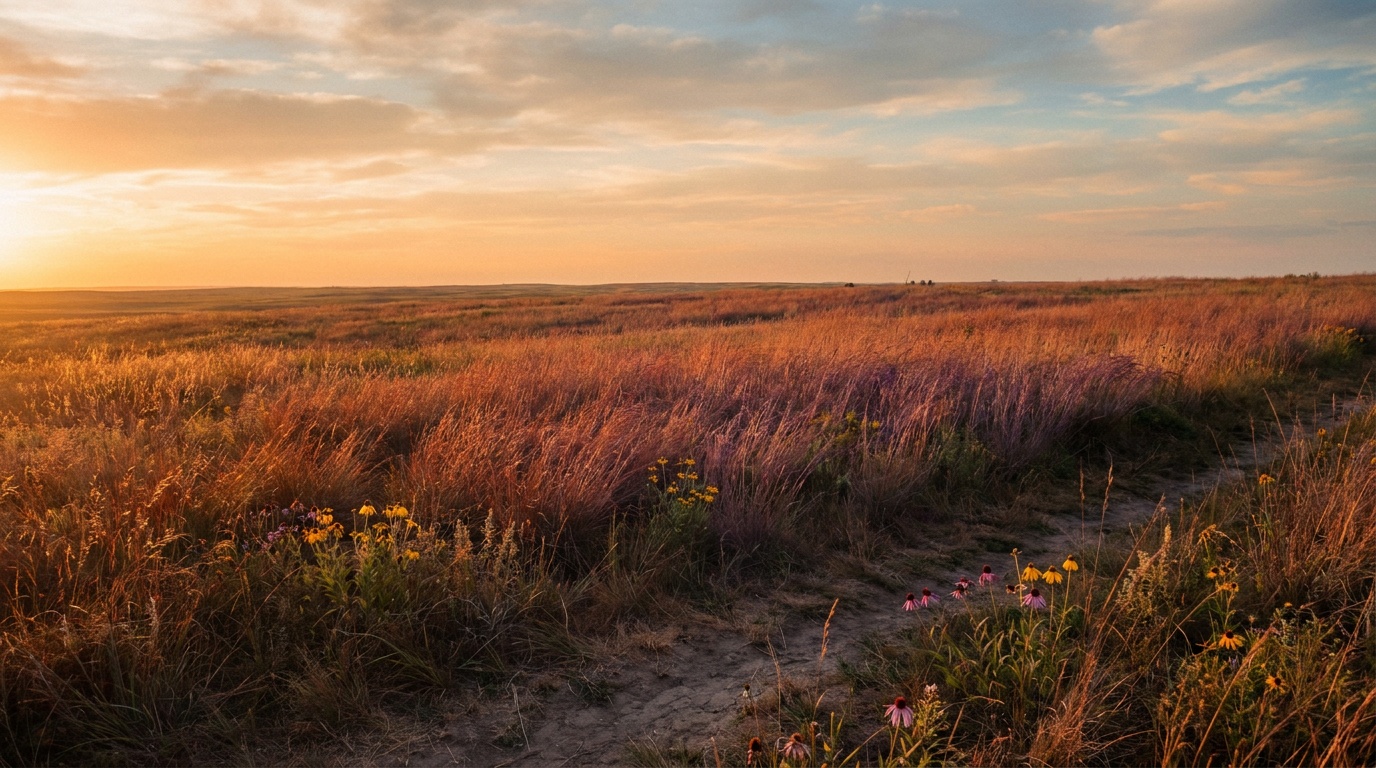
Roughly 2.5 miles of trail through one of the oldest restored tallgrass prairies in the National Park System, on land first homesteaded in 1863.
Freeman School
A restored 1872 one-room brick schoolhouse a short drive away, used into the 1960s, a window into rural prairie education.
Palmer-Epard Cabin
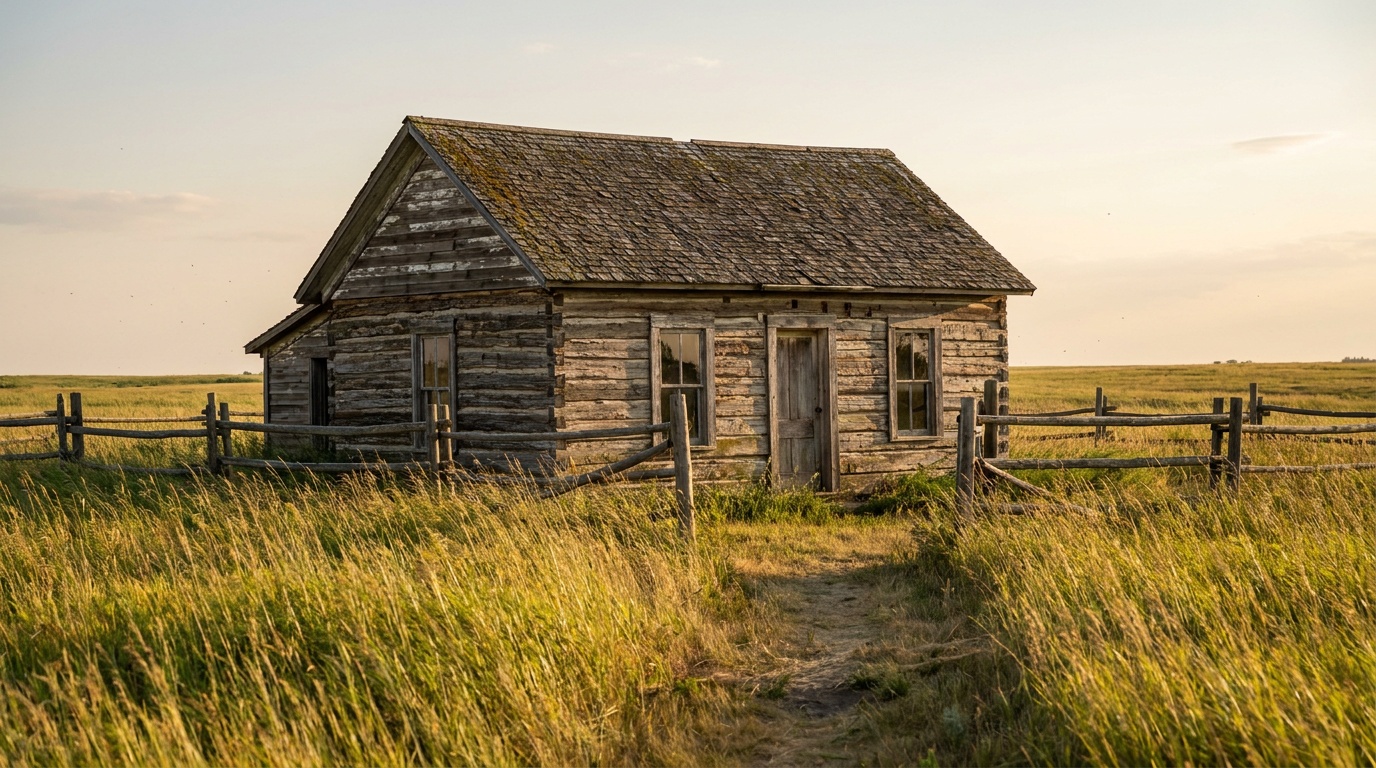
An 1867 homestead cabin moved to the park, showing the cramped reality of proving up a claim on the open plains.
Make Homestead Heritage Center the timed anchor
Put the timed or highest-demand stop first, then keep the rest of the day close and low-friction. For one day in Homestead National Historical Park, time Homestead Heritage Center first, then keep Tallgrass prairie trails and Freeman School close enough that the visit still feels relaxed.
- 1Start with Homestead Heritage Center: A modern museum on the original Daniel Freeman claim, telling the sweeping story of the Homestead Act and the millions of acres and lives it touched.
- 2Add Tallgrass prairie trails: Roughly 2.5 miles of trail through one of the oldest restored tallgrass prairies in the National Park System, on land first homesteaded in 1863.
- 3Use Freeman School as the slower finish before leaving the area.
Plan your trip
Turn Homestead's conditions into water, pack, and sleep-system decisions.
Build around conditions
Let season, elevation, and weather set the plan.
Plan your trip
2 quick tools, already seeded for Homestead National Historical Park. Tune the numbers around temperature swings, footing, layers, and how much margin the route needs.
What to pack
Start with the gear decisions this park changes: footing, weather, camping, and water.
Kit Authority
Homestead National Historical Park packing list
0 of 17 packed. Check items as you pack, then take this list to the store, trailhead, or campsite.
Pack planning
Decide what Homestead National Historical Park asks of your kit before you start checking boxes.
Use this as a constraint check while you are still shaping the trip. The active checklist becomes useful once your route, dates, and sleep plan are set.
- First constraintHydration and exposureWater, Electrolyte mix, hat, sunscreen, sunglasses, 4 more
- Route realityFooting and tractionTrail running shoes, Hiking socks, Trekking poles
- Load choicePack and carry systemDaypack
- Season checkLayers for conditionsMoisture-wicking base layers, Rain jacket, Insulated jacket, 2 more
Checklist mode
17 items, grouped for the trip you are actually taking.
- Dates and season are set.
- Primary route, campground, or lodge is chosen.
- Water, footwear, and overnight needs are sized.
Gear for Homestead
The buying guides that match what Homestead asks of your kit, with our current top picks across budget and use case.
Where to stay
There is no lodging or campground inside Homestead National Historical Park; it is a day-use site. The nearest hotels are in Beatrice, about 5 minutes away, with a much larger selection in Lincoln about 50 minutes north. Campers have a good developed option at Rockford Lake State Recreation Area near Beatrice, and several other Nebraska state recreation areas in the region offer reservable sites near the Big Blue River.
Getting there and practical info
Plan the handoff from arrival to shuttle.
Parking, pedestrian entrances, and shuttle timing decide how calmly the first morning starts.
Getting there
Get to Homestead National Historical Park, then remove the first-morning friction.
- Nearest airport
- Lincoln (LNK) about 50 minutes; Omaha (OMA) about 1 hour 30 minutes
- Access rhythm
- Plan the last mile
- Region
- Nebraska
Arrival note
Homestead National Historical Park is about 4 miles west of Beatrice in southeast Nebraska, on State Highway 4.
Car strategy
From Lincoln, take U.S. 77 south to Beatrice, then Highway 4 west to the park entrance.
Car strategy
The Heritage Center and the prairie trails share a parking area, and the Freeman School is a short drive away on the same park road, so a standard vehicle is all you need.
Pair this with lodging: sleep where the park transfer is simple, especially if your route needs an early start.
Frequently asked questions
Is there a fee to visit Homestead National Historical Park?
No. There is no entrance fee. The Heritage Center, the prairie trails, the Palmer-Epard Cabin, and the Freeman School are all free to visit.
What is Homestead National Historical Park about?
It preserves the land Daniel Freeman claimed under the 1862 Homestead Act, one of the first such claims in the country, and tells the broad story of the act that opened more than 270 million acres of public land to settlement.
Can you walk the prairie at Homestead?
Yes. About 2.5 miles of trail wind through one of the oldest restored tallgrass prairies in the National Park System, passing the historic Palmer-Epard Cabin. The trails are mostly flat and open.
How long do you need at Homestead National Historical Park?
About two to three hours covers the Heritage Center, the prairie trails, and a drive to the Freeman School. The park is compact and easy to see in a half day.