Skip to content
KITAUTHORITY
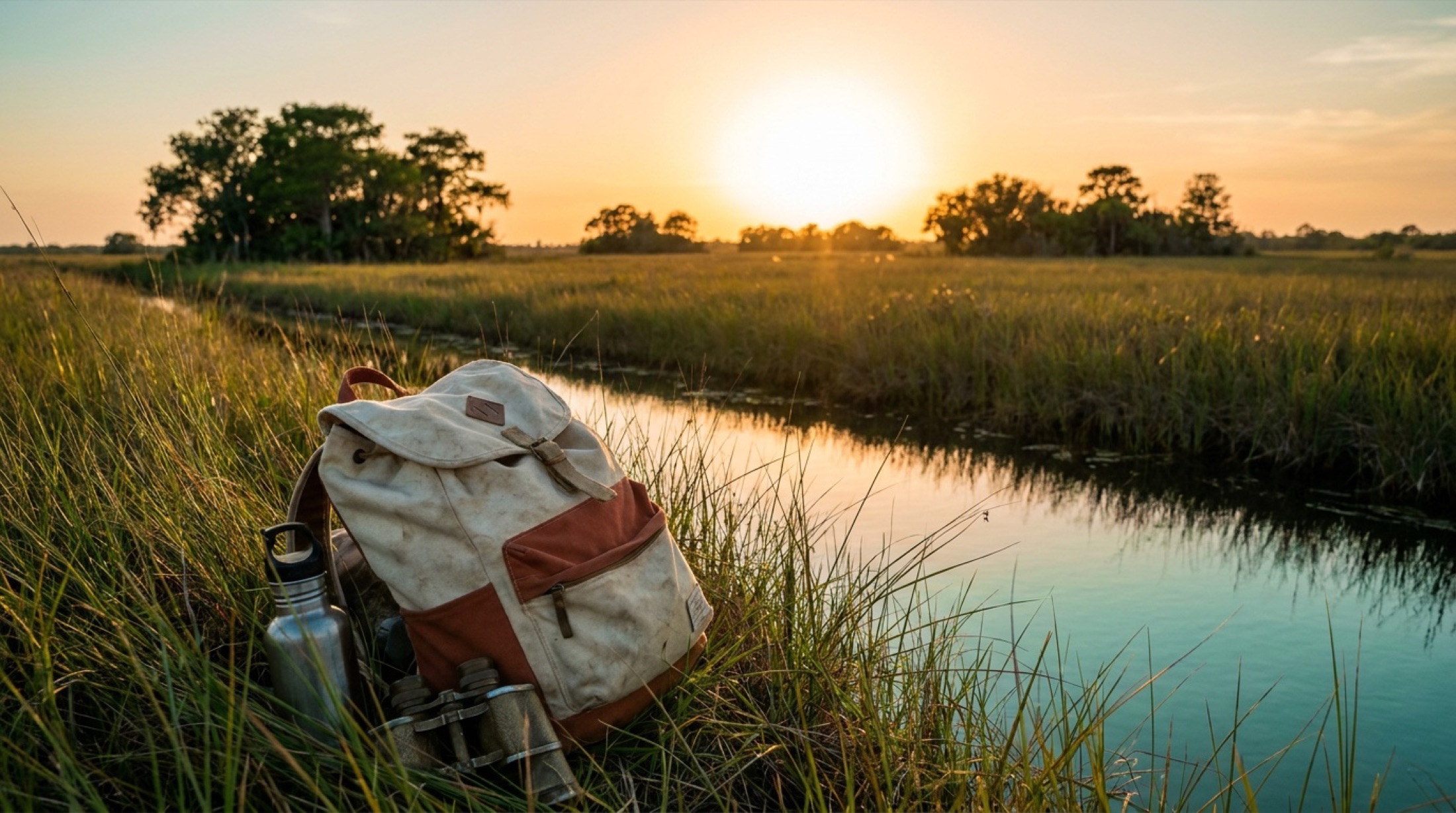
The Everglades sawgrass marsh stretching flat to the horizon at golden hour, with open water and tree islands.

State guide

Florida's national parks

Florida's three national parks all sit in the state's far south, and all three are defined by water: the vast subtropical wetland of the Everglades, the coral reefs and mangroves of Biscayne, and the remote island fort of Dry Tortugas. This guide compares all three.

Short answer

Everglades is the headline for its vast subtropical wilderness and easy access, followed by Biscayne for its offshore reefs and Dry Tortugas for its remote island fort. All three are best in the cooler, drier winter months, roughly December through April, when heat, storms, and mosquitoes ease.

How Florida's parks were ranked

  • Scenic payoff and how distinctive each park's landscape is.
  • Ease of access, since two of the three are largely on the water.
  • Range of activities, from boardwalks to snorkeling and paddling.
  • Seasonal window, since the dry winter season is far more comfortable.

Recommended parks

Each pick links to the full park guide with season tables, logistics, packing, and route context.

Browse all parks
The Everglades sawgrass marsh stretching flat to the horizon at golden hour, with open water and tree islands.The subtropical headline

Everglades

Best for
Boardwalks, paddling, and wildlife from the Anhinga Trail
Watch
The winter dry season is far more comfortable, since summer brings heat, storms, and heavy mosquitoes.

Everglades is the most accessible and iconic of the three, a vast subtropical wetland with boardwalks, paddling routes, and reliable wildlife that you can reach by car from Miami or Naples.

Open the Everglades guide
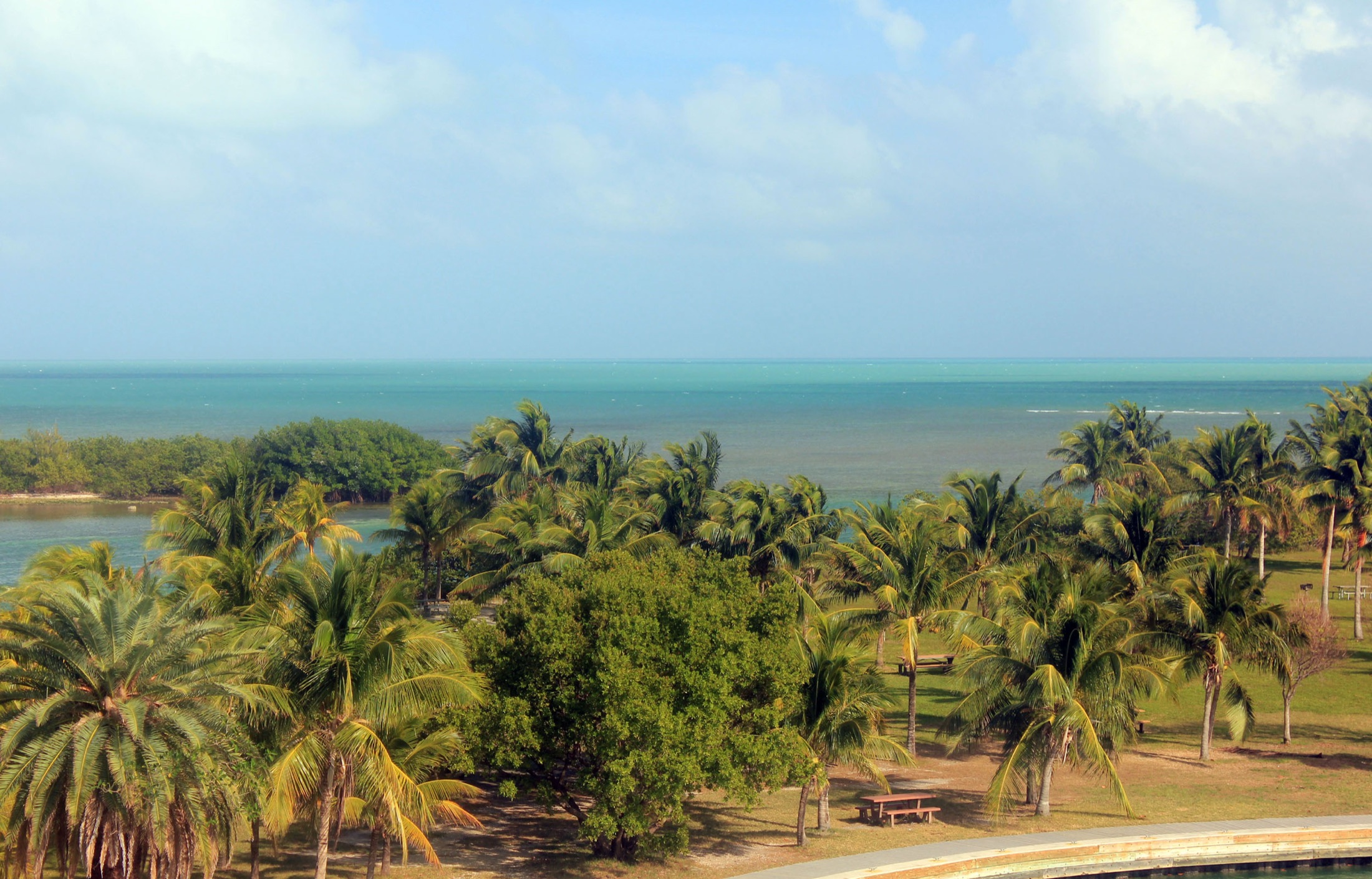
Calm turquoise waters of Biscayne Bay at Biscayne National Park, Florida, looking out past Boca Chita Key toward the open ocean under a bright skyThe underwater park

Biscayne

Best for
Snorkeling, boating, and the coral reefs offshore
Watch
Most of the park is only reachable by boat, so plan a tour or bring your own vessel, and check conditions before heading out.

Biscayne is mostly water, protecting coral reefs, mangrove coast, and islands just south of Miami, with snorkeling and boat trips as the main way to experience it.

Open the Biscayne guide
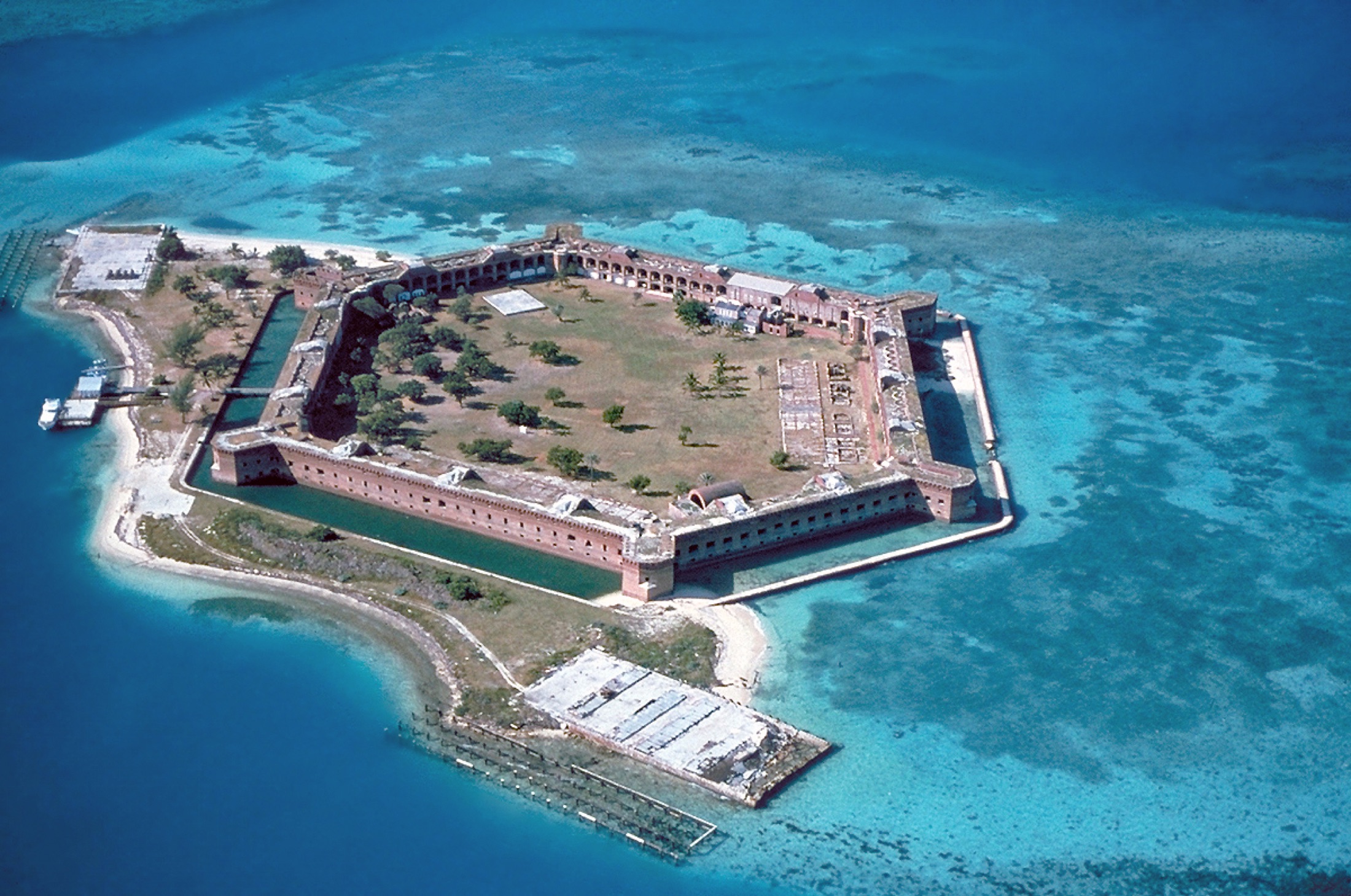
Aerial view of the hexagonal masonry Fort Jefferson on Garden Key in Dry Tortugas National Park, surrounded by shallow turquoise Gulf of Mexico watersThe remote island fort

Dry Tortugas

Best for
Fort Jefferson, snorkeling, and clear Gulf water
Watch
Access is by ferry or seaplane only, trips book out, and there are no services on the island, so come prepared.

Dry Tortugas sits about 70 miles west of Key West, pairing the massive brick Fort Jefferson with some of the clearest water and best snorkeling in the country.

Open the Dry Tortugas guide

Planning notes

Visit in the dry winter season

December through April is the comfortable window for all three. Summer brings heat, afternoon storms, and heavy mosquitoes, especially in the Everglades.

Base around Miami and the Keys

Everglades and Biscayne are both day trips from the Miami area, while Dry Tortugas requires a trip down to Key West for the ferry or seaplane.

Book the Dry Tortugas trip first

The ferry and seaplane to Dry Tortugas have limited daily capacity and sell out well ahead, so lock that date before planning the rest of the trip.

Frequently asked questions

How many national parks are in Florida?

Florida has three national parks: Everglades, Biscayne, and Dry Tortugas. All three sit in the state's far south and are defined by water, from subtropical wetland to coral reefs to a remote island fort.

What is the best national park in Florida?

Everglades is usually ranked first for its scale, accessibility, and wildlife. Biscayne and Dry Tortugas are more water-focused and harder to reach, but both reward the effort with reefs, snorkeling, and a historic island fort.

When is the best time to visit Florida's national parks?

The cooler, drier winter months from about December through April are best. Summer brings heat, afternoon storms, and heavy mosquitoes, which are especially intense in the Everglades.

Pack and plan this trip

Gear keyed to what these parks are for, the tools to size your days and budget, and explainers worth a read before you go.

More trip planning paths