Skip to content
KITAUTHORITY
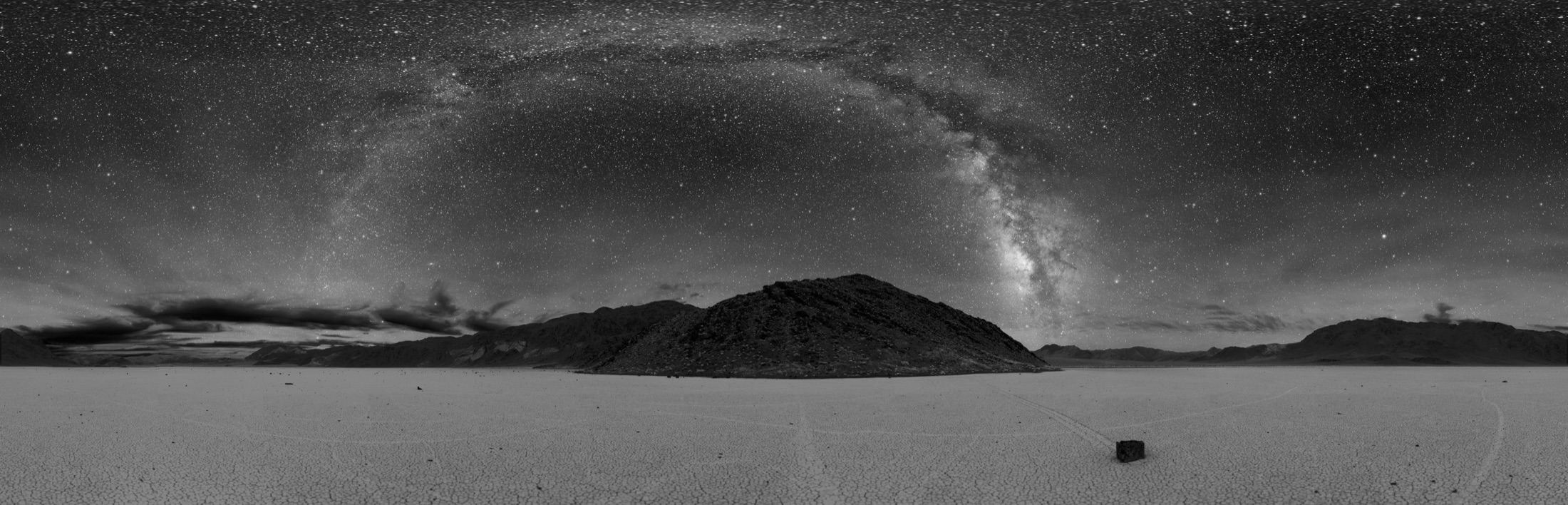
Wide panoramic landscape of Death Valley National Park at dusk, with layered desert mountain ridges receding under a deep blue twilight sky.

Season guide

Best national parks in winter

Winter splits the parks into two good options. Warm desert parks finally cool to comfortable hiking, and a few snow-country parks turn into quiet, white landscapes for snowshoeing and winter wildlife. The trick is picking the right kind of winter park for the experience you want.

Short answer

For warm winter hiking, choose Death Valley, Joshua Tree, Big Bend, Saguaro, or Everglades. For snow scenery and winter sports, choose Yosemite, Bryce Canyon, or the accessible parts of Yellowstone. Match the park to whether you want desert sun or snow country.

What makes a park good in winter

  • A warm desert climate where winter is the comfortable hiking season, or reliable, scenic snow.
  • Roads and core areas that stay open and safe through winter.
  • A clear winter payoff: mild desert hiking, dramatic snow scenery, or accessible winter wildlife.
  • Honest expectations about closures, short daylight, and cold nights.

Recommended parks

Each pick links to the full park guide with season tables, logistics, packing, and route context.

Browse all parks
Wide panoramic landscape of Death Valley National Park at dusk, with layered desert mountain ridges receding under a deep blue twilight sky.Best winter desert hiking

Death Valley

Best for
Comfortable hiking, Badwater, and dark winter skies
Watch
Nights get cold, some high-elevation roads can close after storms, and services are far apart, so plan fuel and water.

Winter is the ideal season for Death Valley, when daytime temperatures turn pleasant for hiking Badwater, the dunes, and the canyons that are off-limits in the deadly summer heat.

Open the Death Valley guide
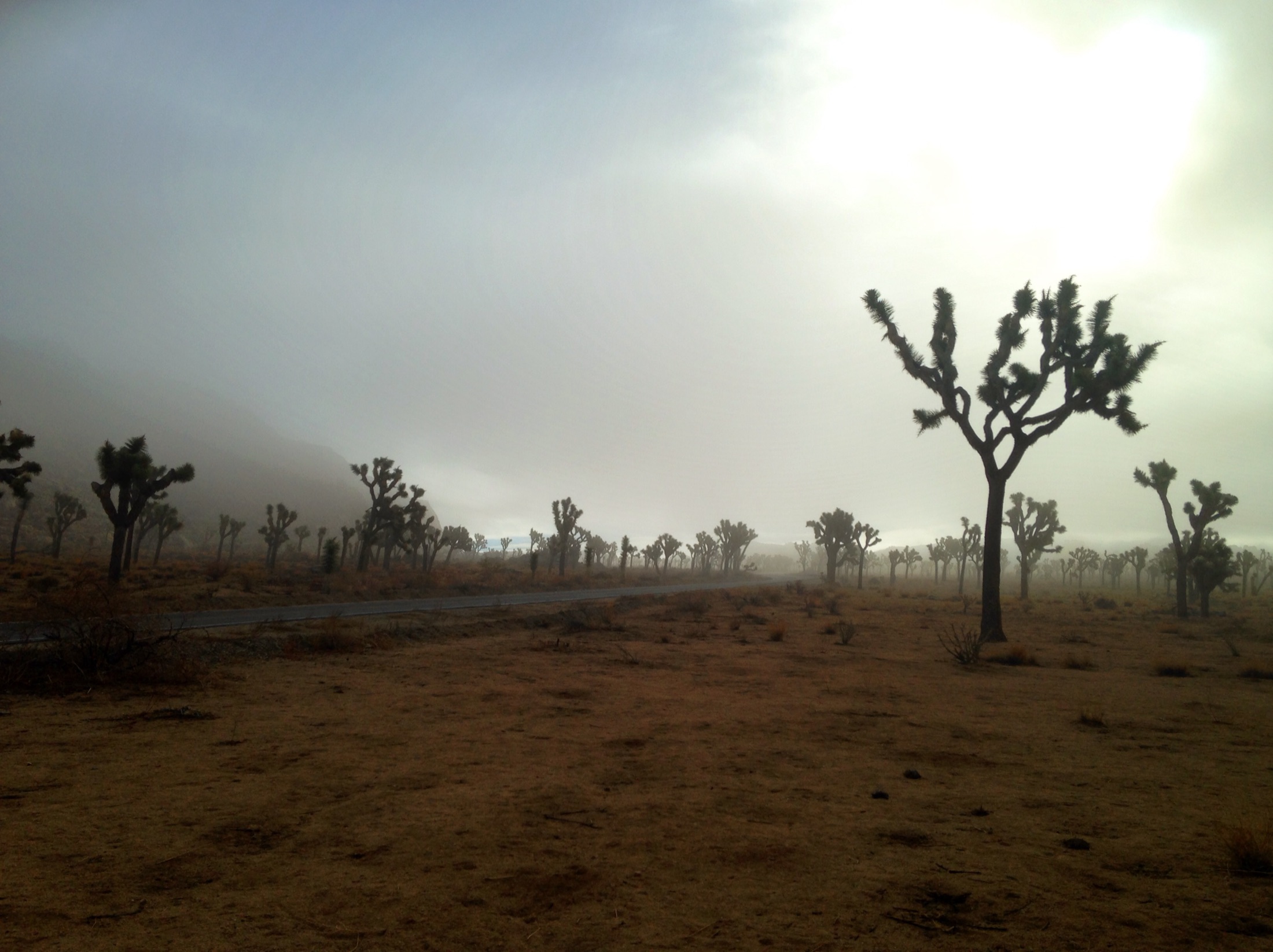
A rare foggy morning in Joshua Tree National Park, with iconic Joshua trees scattered across the open desert plain and low fog rolling over the mountains beyond a winding park road.Cool desert weekends

Joshua Tree

Best for
Mild hiking, bouldering, and clear winter stargazing
Watch
Winter nights are cold in the high desert, and popular weekends still crowd the main pullouts.

Joshua Tree is at its best in the cool months, with comfortable daytime hiking, crisp air for the boulders and trails, and excellent dark winter skies.

Open the Joshua Tree guide
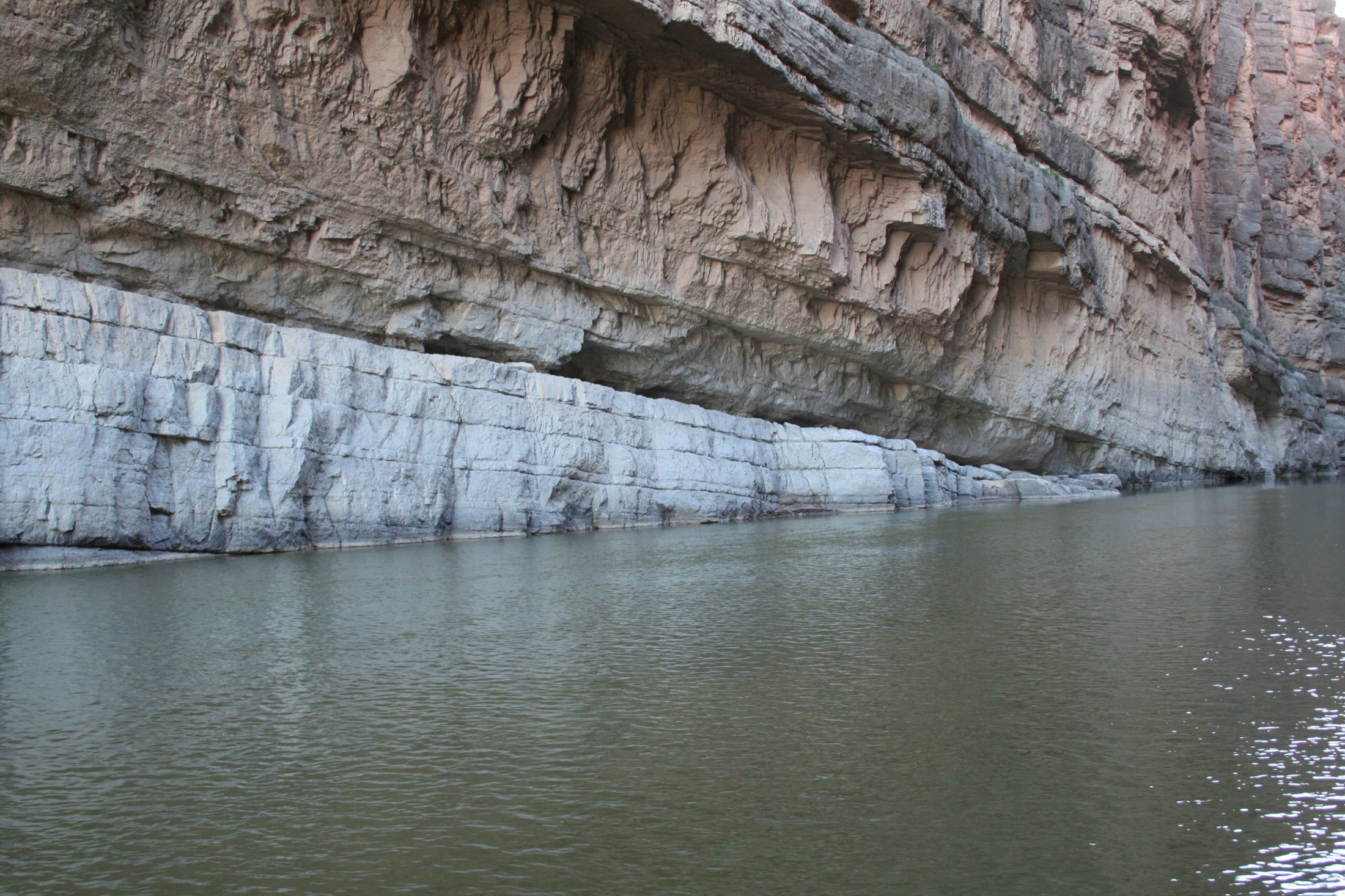
Tilted rock layers in the towering limestone walls of Santa Elena Canyon, carved by the Rio Grande, in Big Bend National Park, Texas.Quiet warm-weather escape

Big Bend

Best for
Mild desert and mountain hiking with very few crowds
Watch
It is remote with limited services, mountain elevations can be cold, and winter daylight is short.

Big Bend's winter brings mild days ideal for both desert and Chisos Mountain hiking, plus some of the darkest, clearest night skies of any park, all with low crowds.

Open the Big Bend guide
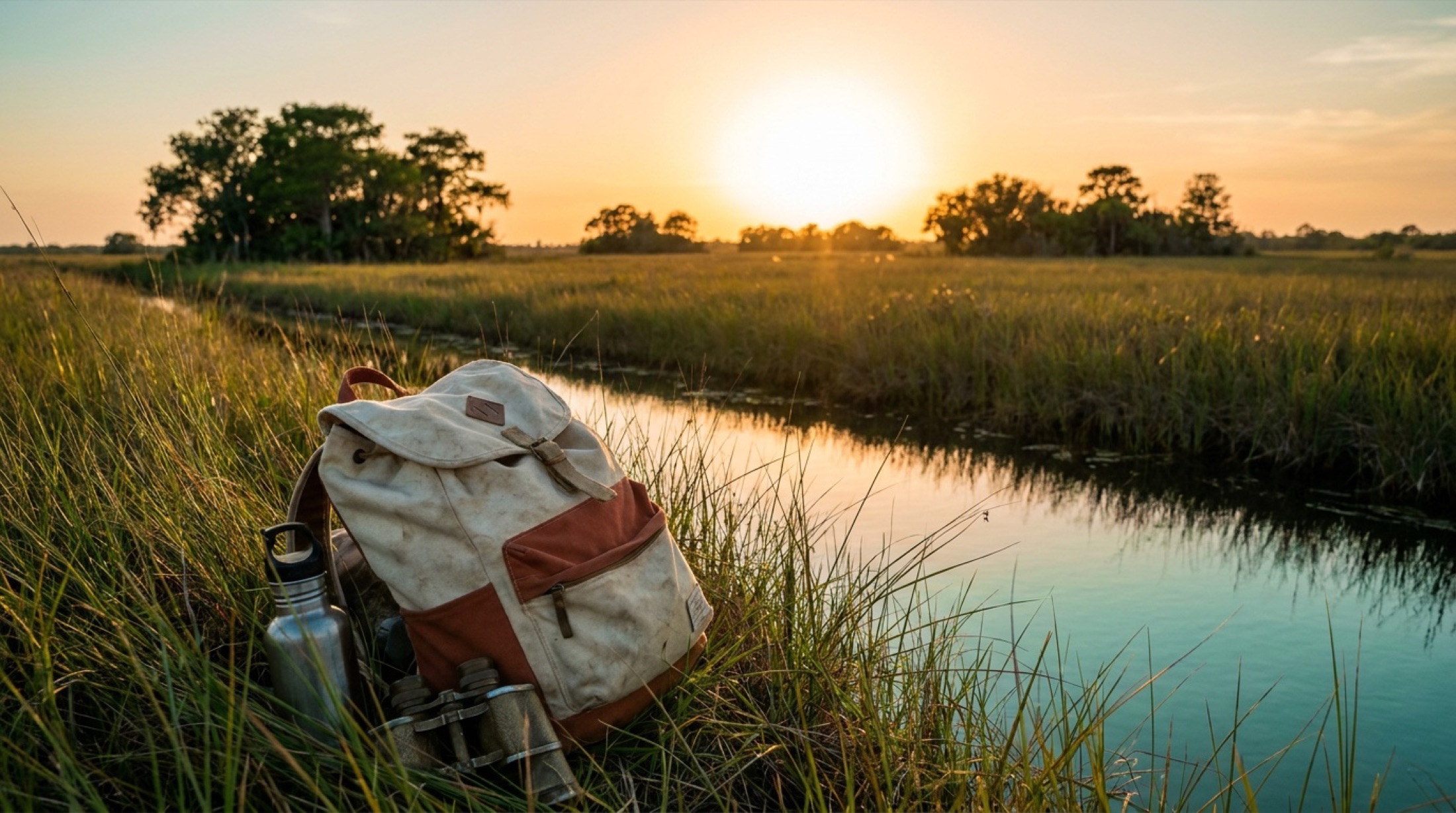
The Everglades sawgrass marsh stretching flat to the horizon at golden hour, with open water and tree islands.Best winter wildlife

Everglades

Best for
Dry-season wildlife viewing and fewer bugs
Watch
It is still subtropical, so bring sun protection, and some backcountry water levels limit certain routes.

Winter is the Everglades' dry season and prime time: wildlife concentrates around remaining water, the weather is mild, and the mosquitoes that dominate summer are far less of a problem.

Open the Everglades guide
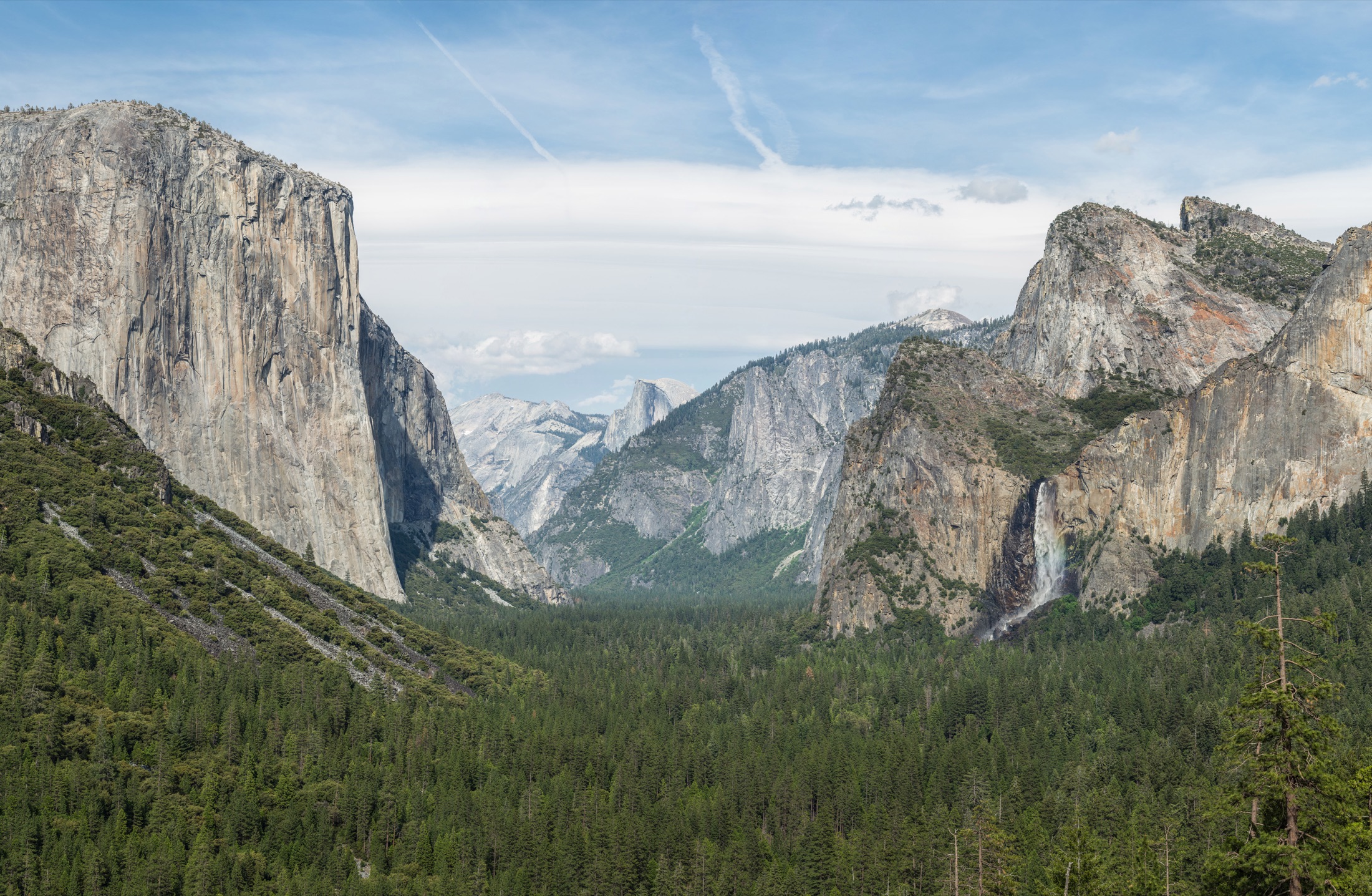
Yosemite Valley seen from Tunnel View, with El Capitan rising on the left, Bridalveil Fall on the right, and Half Dome in the distance under a clear skyBest snow scenery

Yosemite

Best for
Snow-dusted granite, Badger Pass, and quiet valley days
Watch
Tioga and Glacier Point roads close for winter, chains are often required, and storms can briefly close the valley access roads.

Yosemite Valley stays open in winter and turns dramatically quiet and beautiful under snow, with the valley walls and falls framed in white and a small ski area at Badger Pass.

Open the Yosemite guide
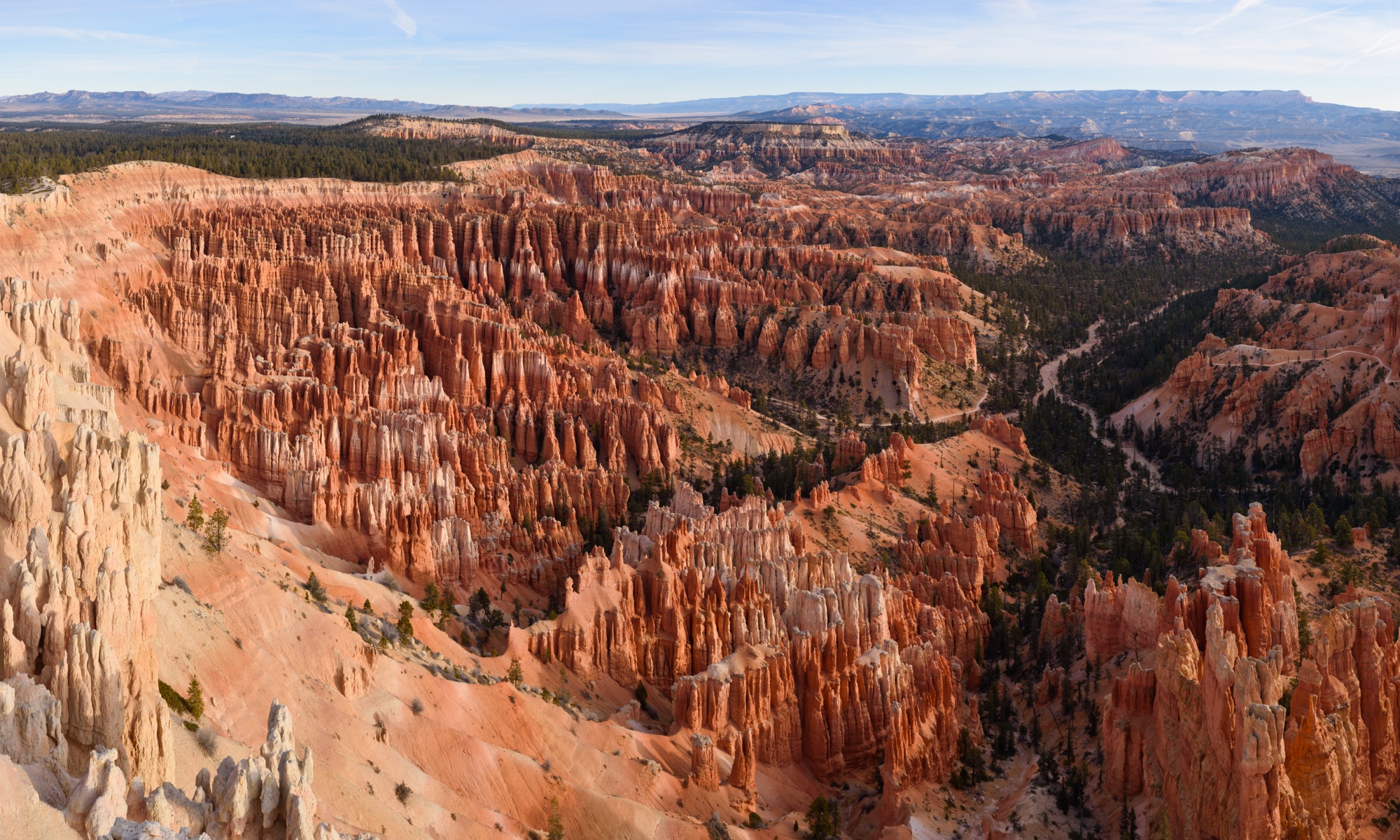
Panoramic view from Inspiration Point of the Bryce Amphitheater in Bryce Canyon National Park, with thousands of orange and white limestone hoodoos descending into the bowl-shaped canyon under a clear skyHoodoos in snow

Bryce Canyon

Best for
Snow-capped hoodoos and winter rim walks
Watch
It is cold and high, some trails below the rim are icy or closed, and you need traction devices for safe footing.

Bryce sits high enough to get reliable snow, and red hoodoos capped with white are one of the most striking winter scenes in the park system, with snowshoeing along the rim.

Open the Bryce Canyon guide

Planning notes

Decide between desert sun and snow country first

Winter parks fall into two camps. Pick the warm desert parks for comfortable hiking, or the snow-country parks for winter scenery and sports, and plan gear accordingly.

Check seasonal road closures

Many high roads close for winter, including Tioga and Glacier Point in Yosemite and the North Rim of the Grand Canyon. Confirm what is open before you build the itinerary.

Pack traction and plan for short daylight

Snow-country parks need microspikes or snowshoes and warm layers, and even desert parks have cold nights. Winter daylight is short, so plan conservative turnaround times.

Frequently asked questions

What are the best national parks to visit in winter?

For warm-weather hiking, Death Valley, Joshua Tree, Big Bend, Saguaro, and Everglades are best in winter. For snow scenery and winter sports, Yosemite Valley, Bryce Canyon, and parts of Yellowstone are excellent cold-season choices.

Which desert national parks are best in winter?

Death Valley, Joshua Tree, Big Bend, and Saguaro are best in winter, when summer's dangerous heat fades and daytime temperatures become comfortable for hiking. The Everglades also peaks in winter as its mild, drier season.

Can you visit national parks in winter?

Yes, many stay open year-round, though some high roads and facilities close seasonally. Desert parks are at their best in winter, while snow-country parks like Yosemite and Bryce Canyon offer dramatic winter scenery if you pack traction and check road conditions.

Pack and plan this trip

Gear keyed to what these parks are for, the tools to size your days and budget, and explainers worth a read before you go.

More trip planning paths